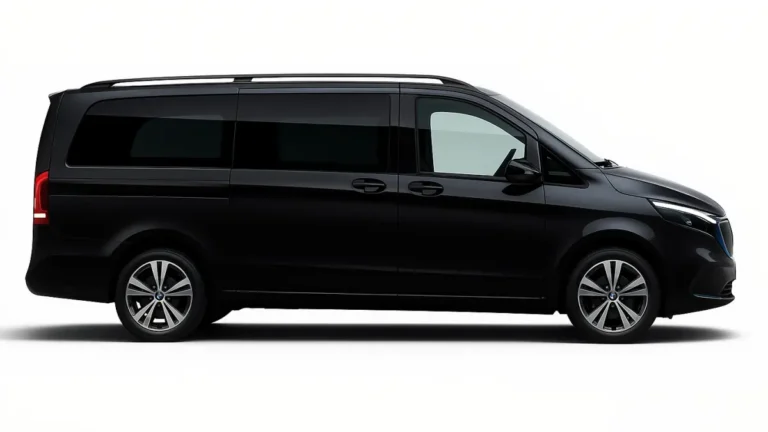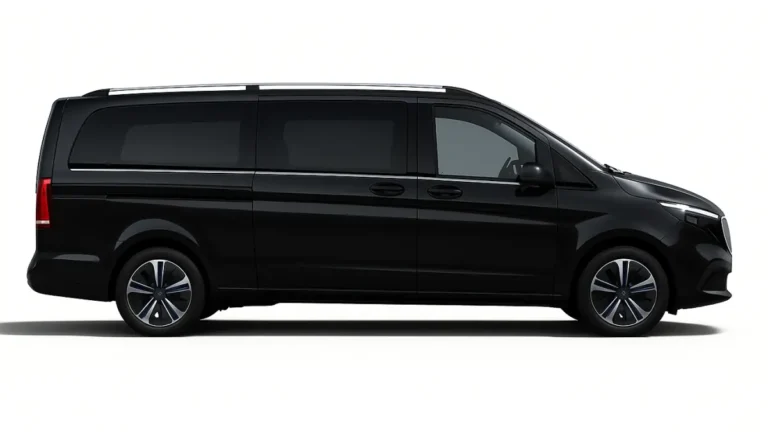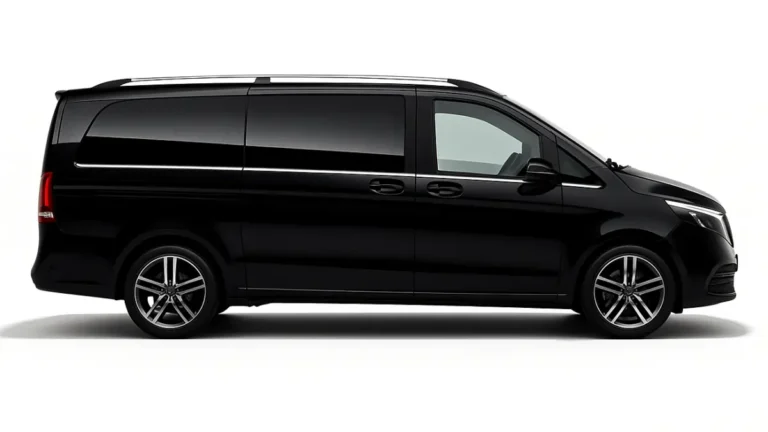
Introduction: multi-stop drop-offs in Berlin are simple only when the route is structured
Dropping people off across Berlin sounds easy until it becomes real: different districts, different entrances, traffic that changes by hour,
and passengers who all have “just one quick thing” to do before they’re ready. A multi-stop MPV (people carrier) plan works best
when it’s treated as a route with clear priorities — not as one ride with random add-ons.
This guide explains how MPV drop-offs across Berlin districts work in practice: what usually goes wrong, when a multi-stop MPV is better
than public transport or separate taxis, how to plan stops so nobody is rushed, and a copy-and-use checklist you can send to confirm the route cleanly.
Typical problems with multi-stop drop-offs across Berlin districts
Multi-stop routes fail for predictable reasons: unclear priorities, vague addresses, and no plan for how long each stop should take.
In Berlin, “just a quick drop-off” can mean different things depending on district access, traffic, and where the real entrance is.
Scenario 1: stops are decided on the day (and the route becomes chaos)
The most common mistake is treating a multi-stop trip as something you can improvise. Someone adds a stop for keys, another person wants to be dropped
“near Alexanderplatz”, and suddenly you’re zig-zagging across the city. The result is wasted time, stress inside the vehicle, and passengers arriving later than expected.
Scenario 2: “district name” is used instead of a real address
“Mitte”, “Charlottenburg”, “Kreuzberg” — these are large areas, not destinations. Without a full address and a practical drop-off point,
you risk arriving on the wrong side of the area or stopping on a street that creates a long walk with luggage.
Scenario 3: the wrong entrance creates last-minute walking and delay
Hotels, offices, and apartment buildings often have multiple access points. The address might be correct, but the entrance you need
is around the corner or inside a courtyard. If this isn’t clarified, the last five minutes become searching and carrying — and the schedule breaks.
Scenario 4: parking expectations are unrealistic for quick drop-offs
Multi-stop routes work best with efficient drop-offs, not “find parking and wait”. In busier areas, stopping strategy matters:
a short, safe drop-off point close to the right walking route usually beats trying to park near the front door.
Scenario 5: time windows are not agreed (and every stop becomes longer)
If passengers don’t know whether a stop is “drop-and-go” or “we wait 10 minutes”, the driver can’t plan the sequence properly.
This is where multi-stop routes quietly collapse: waiting time stretches, traffic shifts, and later stops get rushed.
Scenario 6: luggage and passengers change the loading rhythm
A multi-stop plan often includes people getting out with bags at different points. If luggage wasn’t organised for staged unloading,
you lose time re-stacking bags at each stop. That’s frustrating for groups, families, and business travel with equipment.
MPV vs taxis vs public transport: what works best for “one vehicle, many stops”
Berlin has plenty of transport options, but multi-stop days have a different priority: keeping the plan coherent from first pickup to last drop-off.
Here’s what usually makes sense.
Public transport: workable for independent travellers, weak for coordinated multi-stop routes
If each person can travel independently and you don’t need everyone on the same timing, public transport can work.
But for structured multi-stop logistics — families, groups, business schedules, luggage-heavy travel — it creates separation and timing drift.
Each stop becomes transfers, walking, and regrouping.
Multiple taxis: can work, but coordination becomes the main task
Splitting into taxis can look simple until you try to keep everyone aligned. Different pickup times, different routes, and different drop-off points
can turn the day into messages and waiting. It can be fine for small, independent movements, but it’s rarely ideal for “one plan” travel.
One MPV (people carrier) with planned stops: best for control, comfort, and keeping the group together
A multi-stop MPV route is the clean solution when you want one vehicle, one schedule, and predictable transitions.
It’s especially effective when you have luggage, children, a team moving together, or time windows that matter (meetings, check-ins, event arrivals).
Quick decision rule
If everyone can travel independently and the timing doesn’t matter, public transport can be enough. If you need a shared plan with minimal friction,
a single MPV with a confirmed stop sequence is usually the most practical option.
How our multi-stop MPV drop-offs work (district logic, timing, entrances)
A good multi-stop route is built like a simple system: stops in order, time windows agreed, and clear entrance notes.
The goal is not “drive everywhere” — it’s to reduce wasted loops and keep each drop-off efficient.
Stops are planned in a logical sequence (not random requests)
We confirm all stops in advance and structure them in a sensible order. In practice, this usually means clustering stops by area and avoiding cross-city zig-zags.
That keeps the ride predictable and helps protect timing for the final destination.
District-level planning focuses on the drop-off point, not the label
Berlin districts can behave very differently, but the key detail is always the same: where the passenger should be dropped off to minimise walking and confusion.
For example, “Mitte” is not enough — we confirm the exact address and any entrance notes so the drop-off is smooth and quick.
Time windows are agreed for each stop (drop-and-go vs short waiting)
Multi-stop routes only work when everyone understands the rules. We confirm whether each stop is a quick drop-off, a short waiting stop, or a timed pickup later.
This removes the common problem of “just five minutes” turning into twenty.
Luggage is organised for staged unloading
If different passengers leave at different stops, the easiest solution is to plan luggage placement so bags can be unloaded without re-stacking everything.
It sounds small, but on a multi-stop day it saves time repeatedly.
One main contact keeps communication clean
For groups, we recommend one main coordinator (phone/WhatsApp) so changes are handled quickly and the driver receives one clear instruction set,
not mixed messages from multiple passengers.
Practical checklist for multi-stop drop-offs (copy and use)
Copy this checklist into your booking message. It’s designed to confirm a Berlin multi-stop MPV route clearly and prevent day-of confusion.
- Pickup point: full address with postcode + preferred pickup time window.
- Stops in order: list every stop with full address + postcode (no district-only destinations).
- Stop type for each: drop-and-go / wait X minutes / timed pickup later (write the rule next to the stop).
- Timing goals: “arrive by” time for any critical stops (meeting, check-in, event window).
- Passengers: number of people travelling, and who exits at each stop.
- Luggage plan: suitcases + cabin bags + bulky items, and which bags go with which passenger/stop.
- Entrance notes: hotel lobby vs side entrance, courtyard access, gate codes, reception hours.
- Special needs: child seats (ages/weights), mobility needs, or extra boarding time.
- Contact: one main phone/WhatsApp number reachable during the route.
- Flex note: whether the sequence must stay fixed or can be adjusted within limits (if needed).
With these details confirmed, the route becomes predictable: clear stops, clean timing, and fewer wasted loops across Berlin.
How to confirm your Berlin multi-stop route without confusion
Send the stop list once — and your “many stops” day becomes one clear plan
Multi-stop travel works best when it’s confirmed like a schedule, not negotiated on the street. If you want one MPV to handle multiple drop-offs across Berlin districts,
send your stops in order, stop types (drop-and-go or short waiting), passenger/luggage details, and any entrance notes using the checklist above.
That allows the route to be structured clearly and keeps the day calm.
Your next step: share your pickup address, your stop list (with postcodes), and your timing priorities.
We’ll confirm a clean multi-stop MPV plan so your group can move across Berlin efficiently — one vehicle, many stops, no chaos.