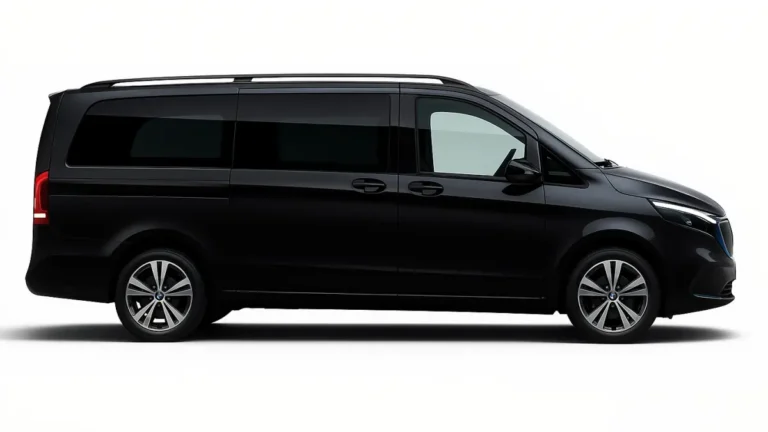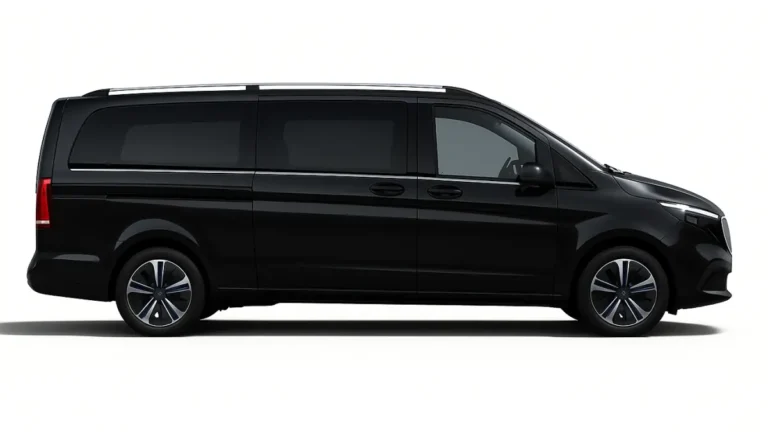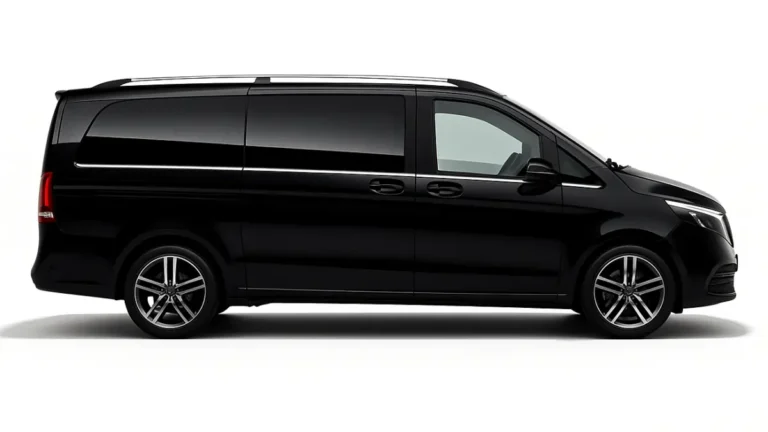
Introduction: electric MPVs are about comfort and simplicity, not just “being green”
Electric MPVs (people carriers) are becoming a popular choice for transfers because they solve real travel-day problems:
they’re quiet, smooth in stop-start city traffic, and comfortable for families and groups with luggage. The “eco” benefit matters too,
but most travellers notice the practical advantages first—especially after landing at BER or when moving between hotels, meetings, and venues.
In this guide we’ll cover the most common electric MPV models used for transfers (availability varies by fleet),
the key advantages in real transfer scenarios, typical mistakes when choosing an electric people carrier, and a checklist you can copy
to confirm the right vehicle for your route.
Typical problems when choosing an electric MPV for transfers
Most “electric transfer” disappointments come from vague expectations. People request “an electric vehicle” without confirming the details
that matter for an MPV transfer: seating layout, luggage volume, route length, and comfort requirements for children or groups.
Scenario 1: you book “electric”, but the vehicle isn’t really MPV-friendly for your setup
Some electric vehicles have 5 seats and a decent boot, but they’re not ideal for a true family/group transfer with multiple suitcases.
If you need an MPV layout, confirm you need a people carrier setup rather than just “electric”.
Scenario 2: passengers fit, but luggage space disappears when all seats are used
With most MPVs, using every seat changes the luggage equation. For transfers, comfort depends on keeping bags out of the cabin:
no shopping bags on laps, no suitcases blocking footwells. If you’re a full group, luggage must be confirmed realistically.
Scenario 3: long-distance or multi-stop routes are planned without mentioning them upfront
Electric MPVs are excellent for Berlin and BER-area transfers. When the route becomes longer-distance or multi-stop,
the plan needs to be confirmed clearly (sequence, timing goal, and whether you need short waiting).
If these details are added “on the day”, the transfer becomes improvisation.
Scenario 4: cold-weather comfort and cabin expectations aren’t discussed
Comfort is one of the biggest reasons to choose electric. But comfort still depends on practical details:
easy entry for families, climate reaching rear rows, and a calm loading process. If your group includes children or elderly passengers,
mention it so the best layout is chosen.
Scenario 5: “model name shopping” replaces the real decision
Travellers sometimes focus on a specific model and forget the fundamentals. A great electric MPV for transfers is the one that fits your passenger count,
luggage reality, and route type—not the one with the best marketing photos.
Electric MPV vs standard MPV vs public transport: what to choose
The best option depends on how much control you want on the travel day. Here’s a practical comparison that works for most Berlin transfer scenarios.
Public transport: efficient if you travel light and stay flexible
Berlin public transport can be excellent for solo travellers or couples with minimal luggage. The trade-off is that you manage the whole chain:
walking, transfers, and the last mile to the real entrance—less ideal when you’re tired, travelling with children, or carrying multiple bags.
Standard taxi: fine for short rides, less predictable for capacity
A taxi can work for simple point-to-point trips. Limitations appear when you need guaranteed space for people plus luggage,
want everyone together, or require a planned setup (for example, child seats).
Standard MPV: reliable capacity and comfort
A standard MPV is already a strong solution for groups, families, and business travel. It reduces steps, keeps the plan door-to-door,
and makes luggage handling far simpler than multi-transfer routes.
Electric MPV: the same “one plan” benefit, with quieter and smoother travel
Electric MPVs add travel-day comfort: low cabin noise, smooth acceleration in city traffic, and a calmer feel after a flight.
They’re especially popular for BER arrivals, family travel, and business schedules where you want a quiet, controlled journey.
How we match electric MPV models to routes, luggage and passenger needs
For transfers, we match the electric MPV category to the trip, not the other way around. Availability varies by fleet and date,
but these are common electric people carrier models you may encounter in European transfer fleets.
Common electric MPV models used for transfers (availability varies)
- Mercedes-Benz EQV (executive-style people carrier comfort for business and families)
- Volkswagen ID. Buzz (modern electric people carrier concept, popular for city transfers)
- Peugeot e-Traveller / Citroën ë-SpaceTourer / Opel Zafira-e Life (practical multi-seat MPV family)
- Toyota Proace Verso Electric (similar practical MPV category for passenger + luggage planning)
Key advantages for transfer use (what you feel as a passenger)
The biggest day-to-day advantages of electric MPVs are simple: a quieter cabin (useful after landing or between meetings),
smoother movement in stop-start traffic, and a calmer ride for children and tired travellers. For groups, the win is also “organised space”:
if the MPV is sized correctly, luggage stays where it should and the cabin stays comfortable.
What we confirm before the ride (so “electric” doesn’t become a compromise)
We confirm passenger count, luggage reality (including bulky items), child seat needs (ages/weights), route type (BER pickup, city ride, multi-stop),
and any timing goal (“arrive by”). This is what allows the right electric MPV category and seating layout to be allocated without last-minute surprises.
Practical checklist: choosing the right electric MPV (copy and use)
Copy this checklist into your booking message. It helps confirm an electric MPV transfer with the right balance of seating, luggage space and comfort.
- Trip type: BER pickup / BER departure / city multi-stop / longer-distance route.
- Route: pickup address + destination address (postcode) + “arrive by” time if important.
- Passengers: number of adults + number of children (and any mobility needs).
- Luggage: large suitcases + cabin bags + bulky items (pushchair/pram, sports gear, instruments).
- Electric request: confirm you want an electric MPV (people carrier), not just any electric car.
- Child seats (if needed): ages + weights + how many seats + ISOFIX preference if relevant.
- Comfort notes: quiet ride preference, rear-row comfort needs, extra time for family boarding.
- Stops (if needed): any extra stop request (confirm in writing so the plan stays clean).
- Contact: one phone/WhatsApp number reachable on the day.
With these details, the electric MPV choice becomes straightforward: the right category is matched to your real travel setup, not guessed on arrival day.
How to request an electric MPV transfer without misunderstandings
One clear message = the right vehicle and a calmer journey
If you want an electric MPV transfer that feels genuinely comfortable, send the checklist details in one message:
route, timing goal, passenger count, luggage reality, and any child seat needs. That allows the correct electric people carrier category
to be confirmed clearly—so you get the advantages of electric travel without compromises on space or practicality.
Your next step: share your pickup point, destination address, passengers, luggage list, and any child seat requirements using the checklist above.
We’ll confirm the best electric MPV option available for your transfer and keep the journey smooth and predictable.