Introduction: business travel in Berlin is won or lost in the gaps between meetings
In Berlin, a “short drive” can turn into a schedule problem if you underestimate transitions: leaving a hotel lobby, finding the right venue entrance,
waiting for colleagues, navigating event traffic, or arriving at the wrong drop-off point and walking the last 7 minutes with a laptop bag.
For business travellers, the real goal is not just transport — it’s timing control.
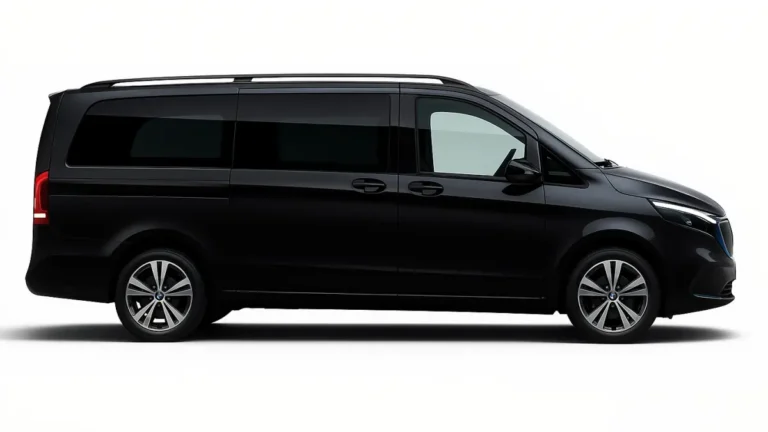
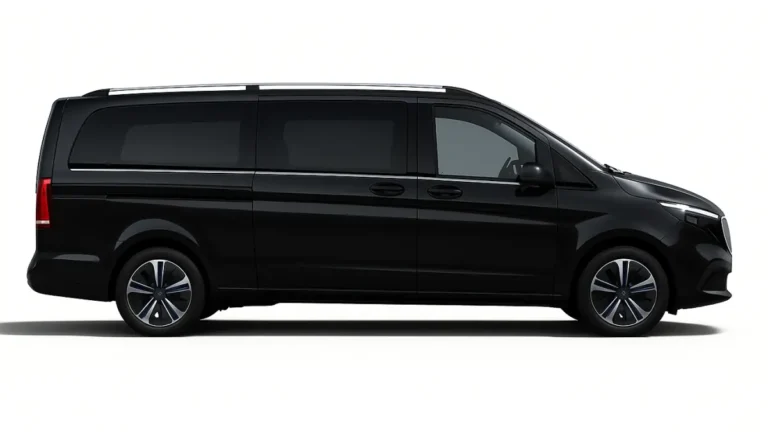
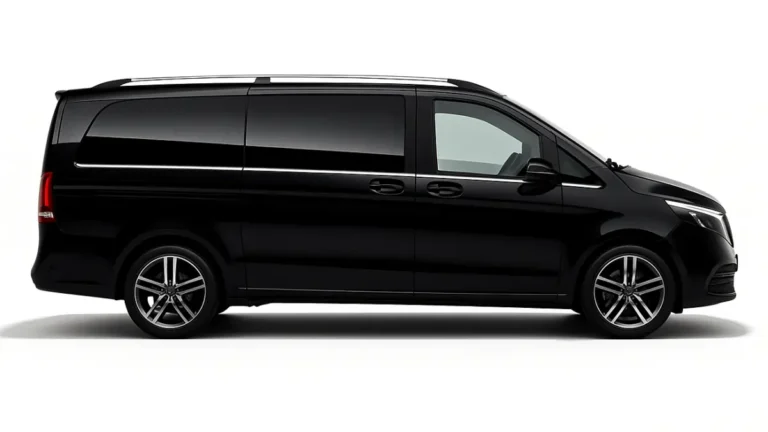
This guide explains how business MPV (people carrier) travel in Berlin supports meetings and schedules: the typical failure points,
when an MPV makes more sense than public transport or taxis, what a professional “meeting day” setup looks like, and a copy-and-use checklist
to confirm your route plan without back-and-forth.
Typical problems in business travel across Berlin (and why they happen)
Business travel problems rarely look dramatic — they look like small friction that repeats. Five minutes lost here, ten minutes there,
and suddenly you arrive stressed, late, or unprepared. These are the scenarios that most often break meeting-day schedules.
Scenario 1: “We’ll be there in 20 minutes” — without buffer for reality
Berlin routes are not only about distance. The same corridor can behave differently depending on time of day, events, or road works.
When a schedule is planned with no buffer, even a minor slowdown forces decisions: rush the team, skip coffee, reschedule the next meeting,
or arrive flustered.
Scenario 2: unclear venue entrance and last-mile confusion
Many offices, hotels, and event venues have multiple entrances, side streets, inner courtyards, or specific drop-off zones.
Arriving at the correct address is not always the same as arriving at the correct entrance.
If this detail isn’t confirmed, you lose time at the exact moment you need to be composed.
Scenario 3: splitting the team across taxis creates timing drift
When a small team splits into multiple vehicles, you often lose control of timing: different pickup moments, different traffic exposure,
and different drop-off points. People arrive in waves instead of as one group — which is inconvenient for meetings, site visits,
and conference schedules.
Scenario 4: meetings turn into multi-stop days without a plan
A business day often includes more than “hotel to meeting”: a quick stop at a coworking space, a second office, a lunch venue,
a pickup of a colleague, then a conference hall. If the multi-stop sequence isn’t clarified upfront, the day becomes constant negotiation
instead of a smooth plan.
Scenario 5: luggage and equipment are underestimated
Business travel comes with real items: cabin cases, laptop bags, product samples, demo equipment, or roll-up banners.
If capacity is planned “like a tourist ride”, you can end up with cluttered seating, awkward loading, and slower transitions.
Scenario 6: airport day logic is different (BER departures and arrivals)
On airport days, your schedule includes more steps: walking time inside BER, check-in, security, and possible delays.
If the pickup time is not built around a clear “arrive by” goal, the departure can become rushed — and business travellers usually can’t afford that.
MPV vs taxi vs public transport: what fits meeting days best
Berlin offers strong public transport and plenty of taxis. The best option depends on one question:
do you want flexibility with more steps, or a controlled plan with fewer moving parts?
Public transport: efficient for solo travel with flexible timing
If you’re travelling alone, with light luggage, and your timing is flexible, public transport can work well.
The trade-off is that you manage every transition: walking to stations, transfers, and the last mile to the exact entrance.
For tight schedules, these steps can become the weak link.
Standard taxi: convenient for simple point-to-point rides
A taxi can be perfect for a straightforward ride when you don’t need special capacity or coordination.
Limitations appear when you need the team together, have multiple stops, or require predictable timing (for example, a speaker slot,
a client meeting window, or a BER departure).
MPV (people carrier): best for teams, multi-stop days, and schedule control
An MPV is the practical choice when you want the day to run like a plan: one vehicle that fits people and work gear,
one pickup sequence, and clear drop-offs at the correct entrances. The benefit is not “luxury” — it’s reducing transitions,
avoiding split arrivals, and keeping the schedule predictable.
Quick decision rule for business days
Choose public transport for light, flexible solo travel. Choose a taxi for simple one-off rides.
Choose an MPV when you have a team, a tight schedule, multi-stop logistics, or airport timing where predictability matters.
How our business MPV travel works (multi-stops, timing, discretion)
Business travel works best when you remove decision-making from the travel day. Our approach is built around three priorities:
correct timing, correct entrances, and a clean plan that keeps people and equipment organised.
Timing built around your “arrive by” goals
Instead of guessing, we plan around the times that matter: meeting start, client window, venue registration, or airport “must arrive by” time.
That allows buffers to be built where they protect the schedule most — without turning the day into unnecessary waiting.
Multi-stop routing confirmed as one sequence
If your day includes several stops, we confirm the order and the timing windows upfront. This prevents the common “can we quickly add one more stop?”
chaos and keeps the plan structured — especially useful for teams visiting multiple offices or events.
Entrance accuracy and last-mile notes
We treat “the address” and “the correct entrance” as different things. If you share venue notes (main lobby vs side entrance,
conference drop-off, hotel driveway access), arrivals become smoother and you avoid the time loss of walking the wrong route.
Capacity matched to business reality
We confirm passengers and equipment so the cabin stays professional: space for laptops and cabin cases, organised loading, and no bags on seats.
For teams, this also reduces the time spent loading and reorganising between stops.
Simple communication on the day
We recommend one main contact person for the group and one clear communication channel. That avoids mixed messages when meetings shift slightly
or when the group needs a short adjustment in timing.
Practical checklist for meetings & schedules (copy and use)
Copy this checklist into your booking message. It’s designed for business days in Berlin and helps confirm timing, routing, and entrances clearly.
- Day type: meetings across Berlin / conference day / client visits / BER arrival or BER departure.
- Stops in order: list pickup + each stop address (with postcode) + final destination.
- Timing goals: “arrive by” time for each key stop (meeting start / registration / airport arrival goal).
- Passengers: number of travellers (and whether you need everyone to arrive together).
- Equipment: cabin cases, laptops, sample cases, banners, or any bulky items.
- Entrance notes: lobby vs side entrance, drop-off point, reception hours, or venue access instructions.
- Waiting needs: do you need short waiting between meetings or a return pickup after a fixed time window?
- Contact person: one phone/WhatsApp number reachable on the day.
- BER details (if applicable): flight number + landing time, or flight time + desired “arrive at BER by” time.
- Any constraints: tight window, VIP guest, quiet cabin preference, or “must not be late” priority.
When these points are confirmed upfront, your day becomes simple: fewer transitions, predictable arrivals, and less time lost between meetings.
How to confirm a clean business travel plan in one message
Send the checklist once — and your meeting day becomes predictable
The fastest way to organise business travel in Berlin is to share all key details at once: stops in order, timing goals,
passenger count, and entrance notes. That allows the MPV plan to be confirmed clearly and removes travel-day guesswork.
This is especially useful for:
- Teams: arrive together, avoid split taxis, keep timing aligned.
- Multi-stop schedules: one structured route instead of constant re-booking.
- Airport days: predictable timing to and from BER with proper buffer.
Your next step: send your meeting-day stops and “arrive by” times using the checklist above.
We’ll confirm a business-ready MPV plan that keeps your Berlin schedule calm and on track.