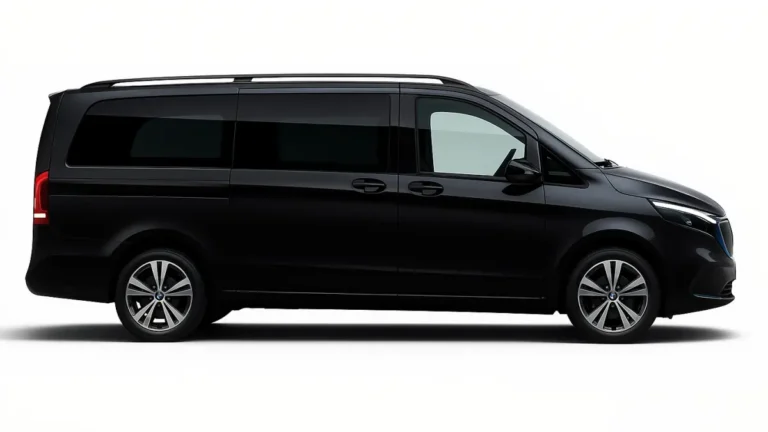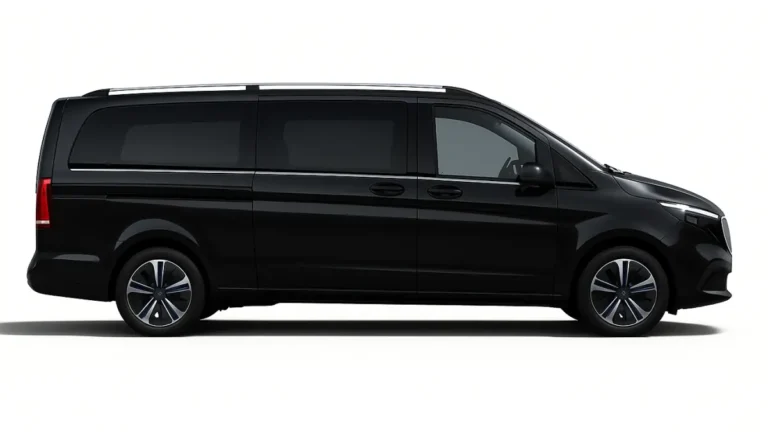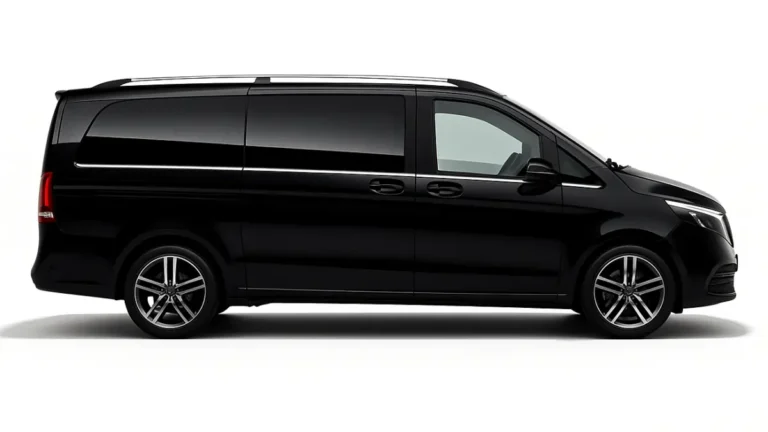
Introduction: moving a sports squad from BER is logistics, not “just a ride”
When a sports team lands at Berlin Brandenburg Airport (BER), the biggest challenge is rarely the distance to the hotel or venue.
It’s the reality of travelling as a squad: players arriving tired, multiple kit bags, bulky equipment, and a schedule that doesn’t allow
“we’ll figure it out outside the terminal”. If the vehicle is too small or the pickup plan is unclear, the first hour in Berlin turns into
chaos — exactly when you need the group organised and on time.
This guide explains how to plan a sports team MPV (people carrier) transfer from BER with squads and equipment in mind.
We’ll cover typical problem scenarios, compare public transport vs taxi vs an MPV transfer plan, explain what a team-ready pickup looks like,
and finish with a practical checklist you can copy and use to confirm everything before you land.
Typical problems for squads arriving at BER with equipment
Team travel fails when the plan is built like individual travel. A squad isn’t “6 passengers” — it’s a group that must stay together,
with equipment that can’t be squeezed into random gaps. The most common problems come from underestimating volume, timing, and coordination.
Scenario 1: passengers fit, equipment doesn’t
A people carrier can handle a group comfortably — but only if equipment volume is confirmed properly.
Team luggage is rarely “one suitcase each”: it’s kit bags, backpacks, medical bags, and bulky items that don’t stack neatly.
What usually goes wrong:
- bags end up on seats or in footwells, reducing comfort and safety;
- the team is forced to split into two vehicles at the last minute;
- bulky items weren’t mentioned, so the load plan isn’t realistic.
Scenario 2: long items create last-minute surprises
Many sports come with awkward shapes: stick bags, large roller bags, equipment cases, or oversized items.
Even if total weight is fine, the shape can be the problem. If those items aren’t listed in advance, the vehicle choice becomes guesswork.
Scenario 3: the squad gets separated during pickup
BER can be straightforward — until the group exits through different doors, someone waits for an elevator, someone stays behind with luggage,
and suddenly the “pickup point” becomes a search operation. For teams, separation is a real time-killer and creates avoidable stress.
Scenario 4: tight timing (training slot, match schedule, accreditation)
Teams often have fixed windows: training time, venue check-in, accreditation, or a meeting with staff.
If the arrival plan is built with no buffer (landing time = departure time), delays cascade quickly:
baggage can take longer, the group moves slower, and the schedule becomes impossible to recover.
Scenario 5: hotel/venue access is not planned
The “last mile” matters for squads: where the vehicle can stop, where equipment should be unloaded, and whether there’s a convenient entrance.
If the drop-off point is unclear, you waste time walking equipment through the wrong entrance or searching for the correct access point.
Public transport vs taxi vs MPV: what works best for teams
Berlin has strong public transport, and for individuals it can be excellent. For squads and equipment, the decision changes.
The best option is the one that keeps the team together, keeps equipment controlled, and protects the schedule.
Public transport: workable only for light setups and very flexible timing
If a small group travels light, public transport can work. But for squads with multiple kit bags and bulky items,
transfers, platform changes, and crowding become a logistics burden. It also increases the risk of separation and delays.
Standard taxi: fine for small staff movements, limited for full squad logistics
Taxis can help with simple point-to-point rides (coaches, staff, or a couple of players). The limitations appear when the full team travels together
or when equipment volume must be guaranteed. For squads, “we’ll take a few taxis” often becomes messy coordination.
MPV (people carrier) transfer: best for squads, equipment control, and schedule protection
An MPV transfer is the simplest “one plan” option: one meeting plan, one vehicle (or a coordinated set if needed), direct travel to the hotel or venue,
and equipment stays with the group. For teams, the main benefit is not luxury — it’s control.
Quick decision rule for squads
Use public transport only if you truly travel light and can tolerate delays. Use taxis for staff or small splits.
Use an MPV transfer when you need the squad together, equipment handled properly, and a predictable arrival time.
How our team MPV transfers work (capacity, equipment, timing)
Team transfers work best when the plan is built around reality: how many people are travelling, what equipment you have,
and what time you must arrive. We keep it practical — confirm the details once, then run a clean pickup and direct route.
Capacity is confirmed by passengers + equipment (not by seats only)
We confirm how many players and staff are travelling and what equipment you have, including bulky or long items.
That allows the correct people carrier setup to be chosen so the cabin stays comfortable and equipment is loaded safely.
Clear pickup plan at BER to keep the squad together
Teams need clarity: one meeting point, one contact person, and simple instructions in writing.
The goal is to avoid players exiting through different doors and to keep the first minutes after landing organised.
Timing buffers that match sports reality
Squad movement is slower than individual travel. We plan with buffer for baggage collection, equipment handling,
and the fact that the group needs a few minutes to regroup. If you have a strict “arrive by” time, we build the plan around that goal.
Hotel and venue drop-off focused on equipment unloading
We confirm the practical drop-off point: where unloading is easiest, which entrance to use, and any access notes.
This prevents the common “wrong entrance with heavy bags” problem and helps the team arrive ready, not exhausted.
Practical checklist for sports team transfers (copy and use)
Copy this checklist into your planning message. It’s designed for squads arriving at BER with equipment and helps confirm capacity, timing, and pickup clarity.
- Event details: training/match date + “arrive by” time (hotel check-in / venue accreditation / warm-up window).
- Flight details: flight number + landing time (for timing alignment).
- Passengers: number of players + staff travelling together (and any mobility needs).
- Equipment count: number of kit bags + suitcases + staff bags (list anything unusually bulky).
- Long/bulky items: any oversized bags/cases (describe type and approximate length if relevant).
- Destinations: hotel name + full address (postcode) and/or venue address (with correct entrance if known).
- Drop-off priority: hotel first, venue first, or multi-stop sequence (confirm order in writing).
- Access notes: unloading point, parking restrictions, service entrance, gate code, or best drop-off location.
- Main coordinator: one phone/WhatsApp contact reachable on the day (team manager / coach / assistant).
- Group rule: agree “we exit together” so the squad stays unified at pickup.
With these details confirmed in advance, the transfer becomes simple: one pickup plan, correct capacity for equipment, and a direct ride to the right entrance.
How to keep your squad moving without delays
One coordinated message — and the team transfer plan becomes clear
Squad travel works best when nobody is improvising outside the terminal. If you want a smooth team MPV transfer from BER,
send the checklist details in one message: flight info, passenger count, equipment list, destination, and timing goal.
That allows capacity and the pickup plan to be confirmed clearly — and keeps your schedule protected.
This is especially useful for:
- Teams with equipment: kit bags and bulky items are planned properly, not squeezed in at the last minute.
- Time-sensitive arrivals: training, match day, accreditation, and warm-up windows.
- Group travel: keeping the squad together and avoiding split rides and confusion.
Your next step: share your BER flight details, squad size, equipment count, destination address, and “arrive by” time using the checklist above.
We’ll confirm a clear MPV transfer plan and keep your squad’s arrival in Berlin organised and smooth.